
The Yard Inspector TeamPublished June 3, 2026Updated August 3, 20265 min read
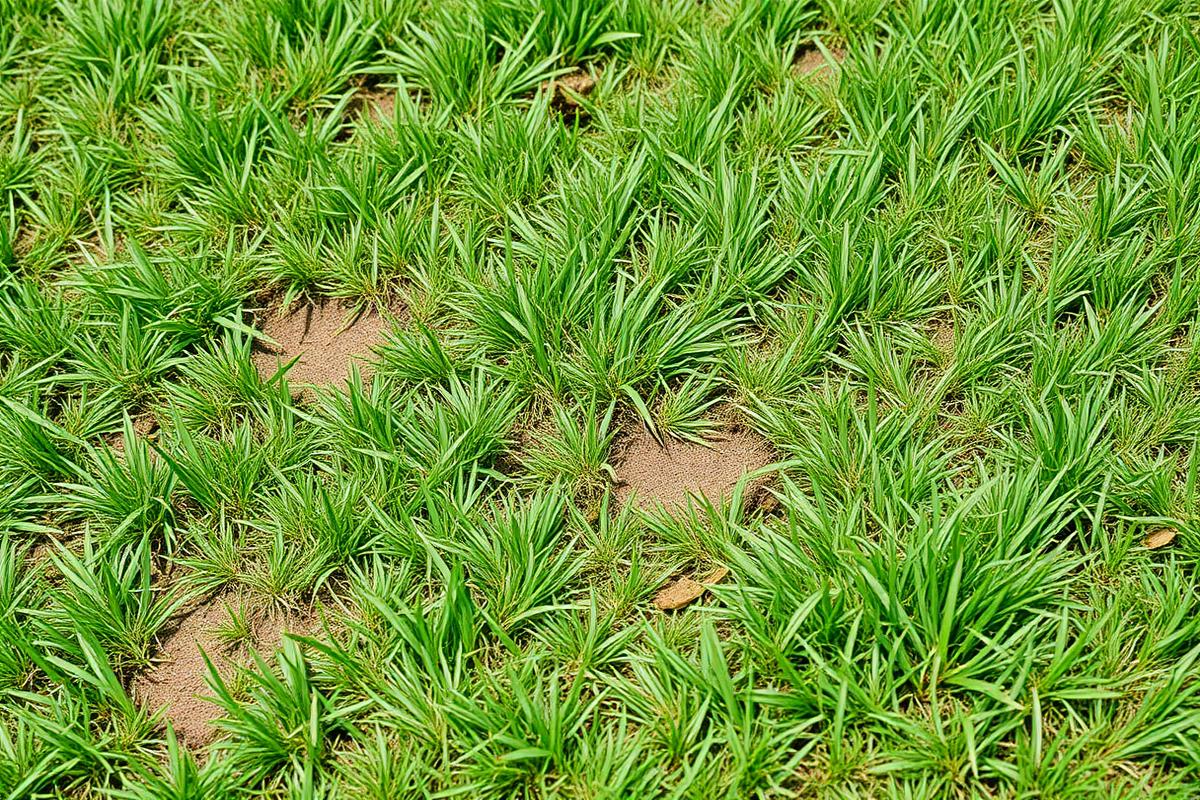
What it may look like
- Straight yellow or brown stripes matching spreader passes
- Darker damage where the spreader was filled or turned
- Very sharp boundaries between damaged and healthy turf
- Symptoms appearing within a few days of application
Why it happens
Fertilizers contain salts. Applied at too high a rate, or left sitting on blades without being watered in, those salts can pull moisture out of plant tissue. Drought-stressed lawns and hot weather increase the risk.
What to consider next
- Stop applying additional product to the area.
- Re-read the product label, including rate, timing, and watering-in instructions.
- Water according to the label if it directs you to do so.
- Give the lawn time. Mild damage may recover as new growth comes in.
- Note the spreader setting you used so the next application is measured, not estimated.
Always read and follow the full product label. Labels are legal documents, and rates, timing, and restrictions vary by product and by state.